
IBISWorld Platform
Answer any industry question in minutes with our entire database at your fingertips.

Total recreation expenditure is set to increase 2.8% in 2026, reaching $652.9 billion, supported by rising demand for live events and leisure travel across the United States. Major summer events, including the America250 celebration and the FIFA World Cup, are expected to draw substantial visitor volumes, lifting air traffic, lodging demand and on-the-ground spending in host cities and surrounding regions. These large-scale occasions are poised to generate millions in local economic impacts while encouraging incremental trips, longer stays and higher per-visit spending among attendees throughout the year. Event-focused travel has increasingly become a primary entertainment choice rather than a niche or temporary trend. A 2025 report from Live Nation indicates that live events have surpassed sports and streaming as a preferred format for many consumers, while Airbnb has highlighted the rise of "show hopping," with fans traveling between cities to follow major tours, which further amplifies recreation-related outlays and supports sustained growth in recreation spending.Total recreation expenditure has experienced dramatic volatility over the past five years through 2026, primarily driven by the pandemic's unprecedented impact on leisure activities. The most significant disruption occurred in 2020, when recreational spending plummeted 22.3% to $446.34 billion - the largest single-year decline in the history. This collapse reflected widespread lockdowns, travel restrictions, venue closures and event cancellations that eliminated many traditional recreational activities.The pandemic fundamentally altered recreational consumption patterns, with a sharp shift from services-based activities like dining, entertainment venues and travel toward goods-based recreation such as home fitness equipment, outdoor gear, and gaming. Many consumers redirected spending toward home improvement projects, streaming services and at-home entertainment systems as substitutes for traditional out-of-home activities.The recovery began in 2021 with a robust 17.3% increase to $523.78 billion, though this remained well below pre-pandemic levels. This initial recovery was driven by pent-up demand, fiscal stimulus payments and the gradual reopening of recreational venues. The 2022 performance showed continued strong growth of 9.6% to $573.82 billion, followed by a healthy 5.4% increase in 2023 to $604.67 billion, demonstrating sustained recovery momentum.Throughout this period, the composition of recreational spending has evolved. Digital entertainment platforms gained permanent market share, while traditional venues like movie theaters and live entertainment faced lasting structural changes. Outdoor recreation experienced substantial growth as consumers sought safer, socially distanced activities. The integration of technology into recreational activities accelerated, with virtual reality, streaming services, and mobile gaming becoming more prominent components of household entertainment budgets. Spending grew at CAGR 4.5% through 2026.
Curious about what drives these trends? IBISWorld's analyst coverage on the total recreation expenditure includes detailled analysis on the current performance, outlook and industries affected.
1980-2032
Total recreation expenditure represents consumer spending on recreational goods and services, including sports equipment, entertainment, hobbies, and leisure activities. This metric is measured in billions of chained 2017 dollars, which adjusts for inflation to provide a real measure of recreational spending growth over time. The data captures both goods and services expenditures across all recreational categories. Data is sourced from the Bureau of Economic Analysis.
IBISWorld Industry Reports are available in multiple formats to fit seamlessly into your workflow.
Answer any industry question in minutes with our entire database at your fingertips.
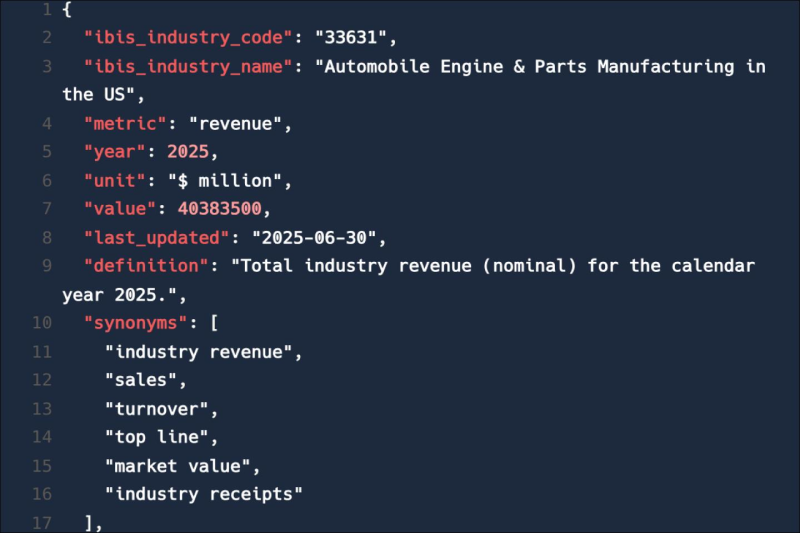
Feed trusted, human-driven industry intelligence straight into your platform.
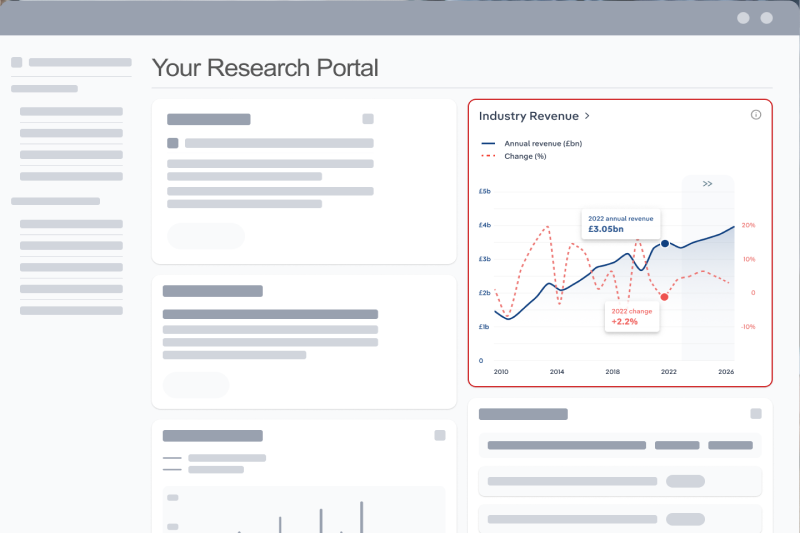
Streamline your workflow with IBISWorld’s intelligence built into your toolkit.
Explore industries with similar markets, supply chains, and economic drivers to gain broader context and insights.
When the stakes are high, you need intelligence that cuts through the noise—wherever you work.
The total recreation expenditure in the US in 2026 was $652.97 billion.
The total recreation expenditure in the US grew by 4.51% in 2026.
IBISWorld’s data and analysis on total recreation expenditure in the US includes forecasted growth rates over the next five years.