
IBISWorld Platform
Answer any industry question in minutes with our entire database at your fingertips.

Total US trade is projected to reach $6.63 trillion in 2026, marking a 2.9% increase from $6.45 trillion in 2025 and representing a compound annual growth rate of 3.7% over the five-year period. This period witnessed substantial volatility, with trade surging 11.0% in 2021 as the global economy rebounded from pandemic-induced disruptions, rising 8.1% in 2022 amid continued recovery and elevated commodity prices, stalling at 0.6% growth in 2023 as aggressive monetary tightening dampened activity, then recovering with 4.9% growth in 2024 and moderating to 2.3% in 2025. Imports recorded a notable 14.0% jump in the first half of 2025 as businesses front-loaded purchases ahead of anticipated tariff implementation. The US goods and services trade deficit contracted sharply by 6.7% in 2026, with imports contracting slightly by 0.5% while exports grow by 2.0%.The dramatic rebound in 2021 reflected the release of pent-up consumer and business demand following pandemic lockdowns, massive fiscal stimulus that boosted purchasing power and inventory rebuilding across supply chains. Import growth mostly fell in line with exports throughout the period. The slowdown in 2023 occurred as the Federal Reserve raised interest rates aggressively to combat inflation, strengthening the US dollar and reducing both export competitiveness and import demand for discretionary goods.Trade patterns underwent significant structural shifts from 2021 to 2026 as supply chain realignment accelerated. Efforts to nearshore production shifted sourcing patterns, with deficits with China easing slightly while deficits with Mexico, Vietnam and India grew substantially, reflecting a diversified global manufacturing footprint. The implementation of comprehensive tariffs beginning in April 2025 created extraordinary distortions in trade flows, as businesses rushed to import goods before tariff rates escalated. The trade-weighted average tariff rate is 13.0% as of February 2026, with rates including 100.0% on branded pharmaceutical products, 41.1% on steel and aluminum, 25.0% on most foreign-manufactured vehicles and automotive components and the revocation of the de minimis exemption for packages valued at $800 or less. Services trade contributed significantly to total trade growth, though the goods deficit remained the central driver of overall trade imbalances.
Curious about what drives these trends? IBISWorld's analyst coverage on the total trade value includes detailled analysis on the current performance, outlook and industries affected.
1980-2032
Total trade represents the combined value of all US goods and services exported to and imported from international markets, measured in trillions of 2017 chained US dollars. This metric aggregates both export and import flows to capture the full scope of US international economic activity. Data is adjusted for inflation to reflect real volume changes over time, encompassing merchandise goods across all sectors as well as services including transportation, intellectual property, travel and financial services.
IBISWorld Industry Reports are available in multiple formats to fit seamlessly into your workflow.

Answer any industry question in minutes with our entire database at your fingertips.
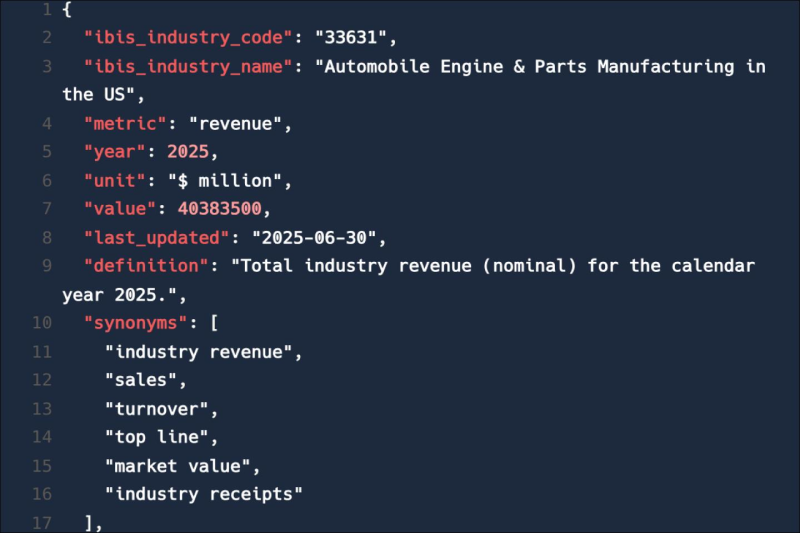
Feed trusted, human-driven industry intelligence straight into your platform.

Streamline your workflow with IBISWorld’s intelligence built into your toolkit.
Explore industries with similar markets, supply chains, and economic drivers to gain broader context and insights.
When the stakes are high, you need intelligence that cuts through the noise—wherever you work.
The total trade value in the US in 2026 was $6,634.24 billion.
The total trade value in the US grew by 3.74% in 2026.
IBISWorld’s data and analysis on total trade value in the US includes forecasted growth rates over the next five years.