
IBISWorld Platform
Answer any industry question in minutes with our entire database at your fingertips.

The total vehicle miles traveled in the United States is expected to reach 3.3 trillion in 2026, indicating modest expansion as pandemic-related volatility subsides. Year-on-year growth is projected at 0.6% in 2026, following trends established in the previous two years. However, the continuation of hybrid work models and remote arrangements by some companies has moderated potential gains. In addition, a shift in travel preferences, with more consumers choosing international flights, is expected to temper further increases in domestic vehicle miles in the current year.Total vehicle miles have demonstrated a pattern of recovery and stabilization during the past five years in the wake of considerable disruption in 2020. The onset of the COVID-19 pandemic in 2020 led to a historic drop of 11.0% in total vehicle miles due to widespread lockdowns, remote work mandates, and business closures. The distribution of vaccines and easing pandemic-related restrictions in 2021 enabled a sharp rebound, with total vehicle miles rising by 7.9% as more individuals returned to office settings and resumed travel. Total miles rose 2.0% in 2022 and 2.1% in 2023, as pandemic effects lessened; some remote work habits persisted. In-person requirements for essential activities, such as medical appointments, have also continued to generate demand for vehicle travel. Additionally, travel peaks during popular months in 2024 and 2025 have contributed to growth, although this has been offset by the resurging popularity of international air travel.Broader macroeconomic factors have influenced total vehicle miles over this period. Labor market recovery and consumer spending growth have raised mobility needs, while demographic factors, such as population increases and urbanization patterns, also play a role. The continued popularity of ride-sharing services has increased the number of cars on the road and total miles traveled. However, the expansion of remote work and telecommuting acts as a structural restraint on total growth. Gasoline and energy prices, while not a major factor in this specific period, historically influence driving behavior but have remained relatively stable since 2021.Between 2021 and 2026, total vehicle miles are forecast to grow at a compound annual rate of 1.3%. The transportation sector remains sensitive to changes in public health guidance, commuting patterns, business operations, and macroeconomic events. While the rebound from pandemic lows was rapid, ongoing structural shifts, such as hybrid work models and evolving travel preferences, are expected to keep the growth of total vehicle miles moderate relative to pre-pandemic norms.
Curious about what drives these trends? IBISWorld's analyst coverage on the total vehicle miles includes detailled analysis on the current performance, outlook and industries affected.
1990-2032
This driver represents the total miles driven by all motor vehicles over the calendar year. This includes cars, trucks, motorcycles and buses, but not trains or planes. Data is sourced from the Bureau of Transportation Statistics (BTS).
IBISWorld Industry Reports are available in multiple formats to fit seamlessly into your workflow.

Answer any industry question in minutes with our entire database at your fingertips.
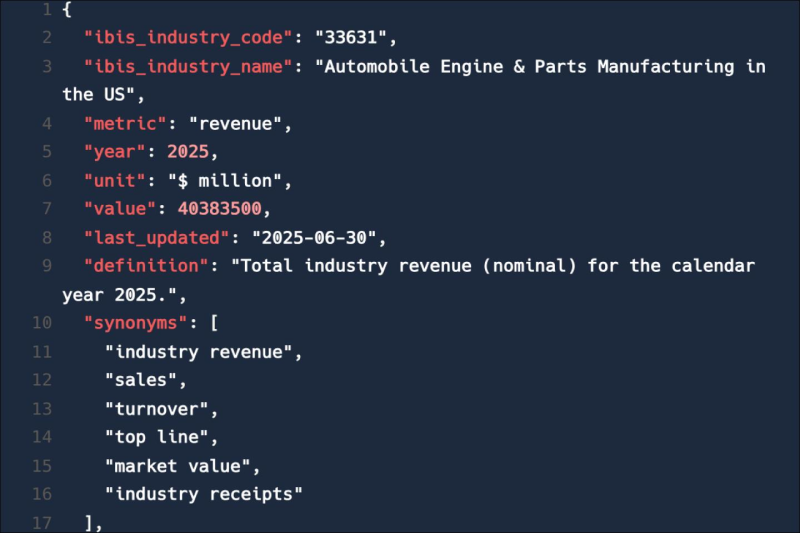
Feed trusted, human-driven industry intelligence straight into your platform.
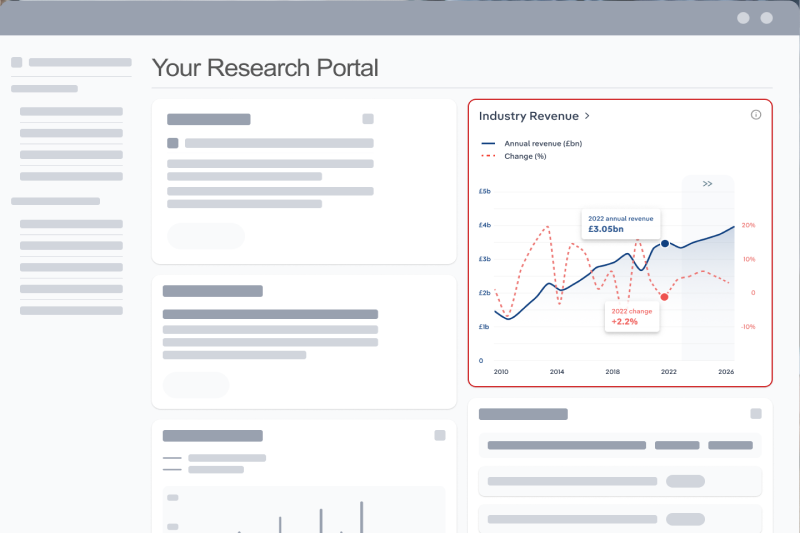
Streamline your workflow with IBISWorld’s intelligence built into your toolkit.
Explore industries with similar markets, supply chains, and economic drivers to gain broader context and insights.
When the stakes are high, you need intelligence that cuts through the noise—wherever you work.
The total vehicle miles in the US in 2026 was 3.34 trillion.
The total vehicle miles in the US grew by 1.3% in 2026.
IBISWorld’s data and analysis on total vehicle miles in the US includes forecasted growth rates over the next five years.