
IBISWorld Platform
Answer any industry question in minutes with our entire database at your fingertips.

The value of utilities construction is projected to fall -0.9% in 2026 to reach $188.7 billion. This year's decline reflects the Trump administration deprioritizing utilities infrastructure spending, which grew in previous years. Supply chain challenges and higher material prices have continued to affect project costs and scheduling, while labor shortages have constrained contractor capacity despite elevated demand.Between 2021 and 2025, utilities construction expanded at an average annualized rate of 4.3%. The sector's performance during this period was primarily shaped by multi-billion-dollar investments targeting aging infrastructure, particularly water and energy systems, in developed and emerging markets. Modernization remained a central theme as governments and private actors allocated funds to upgrade essential service networks and address reliability concerns. The surge in renewable energy adoption, alongside stricter environmental regulations, spurred the construction of solar farms, wind power facilities, and supporting transmission infrastructure. Advancements in technology, such as the increasing implementation of smart grids and IoT-enabled utility systems, significantly improved network monitoring and efficiency, further driving construction activity.Population shifts from dense urban centers to suburban areas prompted additional investment in extending utility networks and capacity. However, sharp increases in input and labor costs, attributable to global supply chain disruptions and workforce constraints, tempered growth and compelled industry stakeholders to refine project management and sourcing strategies. Although government initiatives and public-private partnerships played a pivotal role in supporting the construction pipeline, these efforts were sometimes delayed or reprioritized in response to economic and pandemic-related uncertainties over the past five years. The period was also characterized by heightened competition for skilled labor, which became an increasingly important limiting factor as projects grew in complexity and scope.Over the five-year period through 2026, utilities construction has responded to competing pressures of modernization, environmental responsibility, and demographic change. The sector was broadly supported by forward-looking infrastructure policies, technological innovation, and sustained expansion in utility demand, but was challenged by rising costs and capacity constraints. Trends such as the global shift toward sustainable practices and decarbonization, as well as widespread digitalization of utility networks, shaped the industry's direction and level of investment.
Curious about what drives these trends? IBISWorld's analyst coverage on the value of utilities construction includes detailled analysis on the current performance, outlook and industries affected.
2002-2032
The annual public and private expenditure toward constructing power, sewage or water supply infrastructure represents the value of utilities construction. Data is sourced from the US Census and is presented in billions of chained 2017 dollars.
IBISWorld Industry Reports are available in multiple formats to fit seamlessly into your workflow.

Answer any industry question in minutes with our entire database at your fingertips.
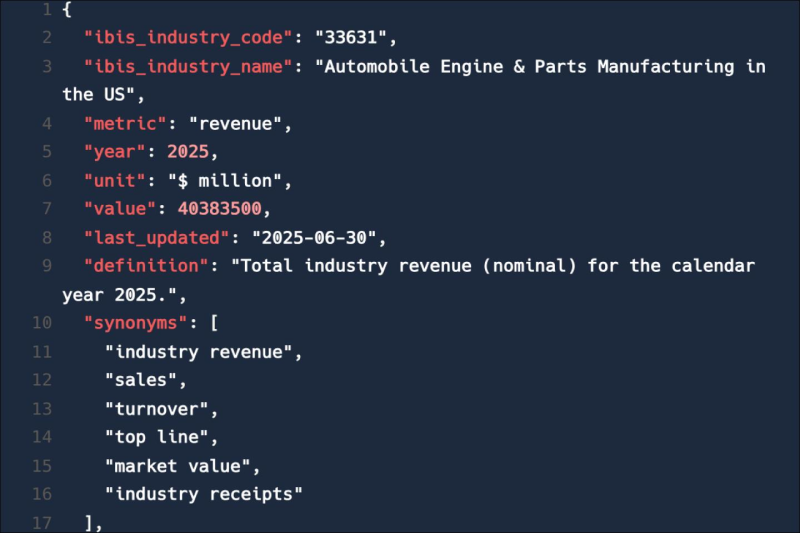
Feed trusted, human-driven industry intelligence straight into your platform.
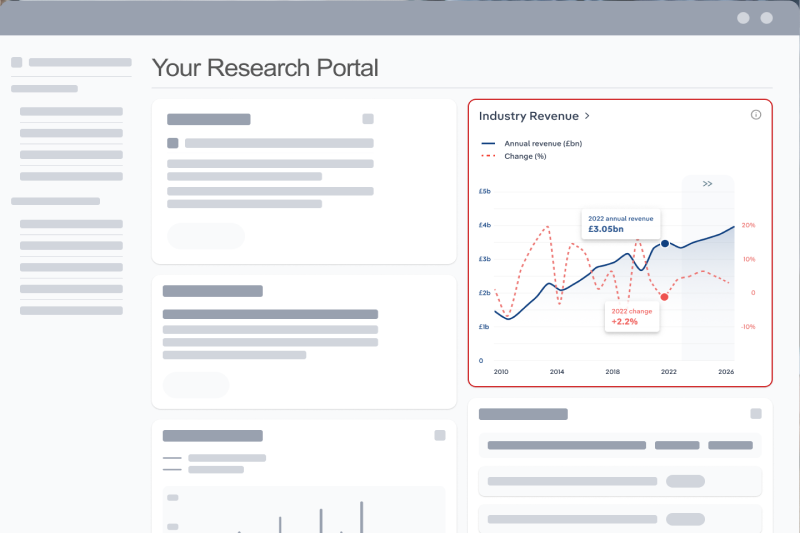
Streamline your workflow with IBISWorld’s intelligence built into your toolkit.
Explore industries with similar markets, supply chains, and economic drivers to gain broader context and insights.
When the stakes are high, you need intelligence that cuts through the noise—wherever you work.
The value of utilities construction in the US in 2026 was $188.7 billion.
The value of utilities construction in the US grew by 4.32% in 2026.
IBISWorld’s data and analysis on value of utilities construction in the US includes forecasted growth rates over the next five years.