
IBISWorld Platform
Answer any industry question in minutes with our entire database at your fingertips.

The yield on the 10-year Treasury note is expected to decline modestly in 2026, rather than fall sharply. The outlook is highly sensitive to geopolitical developments, particularly the conflict involving Iran, which could push risk premia on US government debt higher if investors demand more compensation for perceived global instability and fiscal pressures. At the same time, a relatively strong labor market and still-elevated inflation have made the Federal Open Market Committee (FOMC) reluctant to cut interest rates, limiting how far yields can fall in the near term. Because the FOMC does not yet view the Iran conflict as a persistent source of inflation, markets currently see little prospect of further rate hikes but also limited scope for near-term cuts, leaving yields broadly flat unless conditions change. As a result, bond yields are likely to be uneven through 2026 as investors price in a prolonged pause in rate cuts. Any concrete progress toward a ceasefire in Iran and a resulting easing in oil prices and inflation could trigger a reassessment and more decisive downward pressure on yields.From 2021 to 2026, the yield on the 10-year Treasury note displays significant volatility and rapid increases, principally driven by adjustments in monetary policy and fluctuating investor sentiment. In 2021, the yield rose to 1.4% as economic conditions improved and inflation expectations increased following the initial pandemic period. In 2022, in response to surging inflation, the Federal Open Market Committee (FOMC) adopted a broadly aggressive monetary tightening approach, raising rates during every meeting of the year. This was further reinforced by the Fed's transition to selling government bonds, which increased supply and contributed to further rises in yield. This monetary policy environment led to the yield on the 10-year Treasury note climbing by 1.6% in 2022, and an additional increase by 1.0% in 2023, reflecting investor adjustments to inflation and interest rate movements.Despite the initiation of rate cuts beginning in the third quarter of 2024, yields continued to grow, underscoring the complexity of factors influencing long-term government debt markets. Through these five years, macro trends such as persistent inflation, evolving monetary stances, and heightened geopolitical and financial market uncertainty have been key forces shaping yield dynamics. The interplay between the Federal Reserve's policy actions, investor risk aversion, and broader economic indicators has resulted in heightened volatility and elevated yields.The cumulative impact over 2021 to 2026 has been a notable rise in the 10-year Treasury yield. Key macroeconomic themes included moving from pandemic-driven economic disruptions to aggressive inflation management via monetary tightening, followed by renewed policy easing. These factors are crucial as they drive overall borrowing costs throughout the economy and impact both private and public investment decisions.
Curious about what drives these trends? IBISWorld's analyst coverage on the yield on 10-year treasury note includes detailled analysis on the current performance, outlook and industries affected.
1980-2032
Treasury bills are the US government's means for borrowing money and are generally considered to be very safe investments. The yield is analogous to the current interest rate demanded by the market to hold this debt for 10 years. The data for this report is sourced from the US Federal Reserve. The values presented in this report are annual figures, derived from equally weighted monthly averages.
IBISWorld Industry Reports are available in multiple formats to fit seamlessly into your workflow.

Answer any industry question in minutes with our entire database at your fingertips.
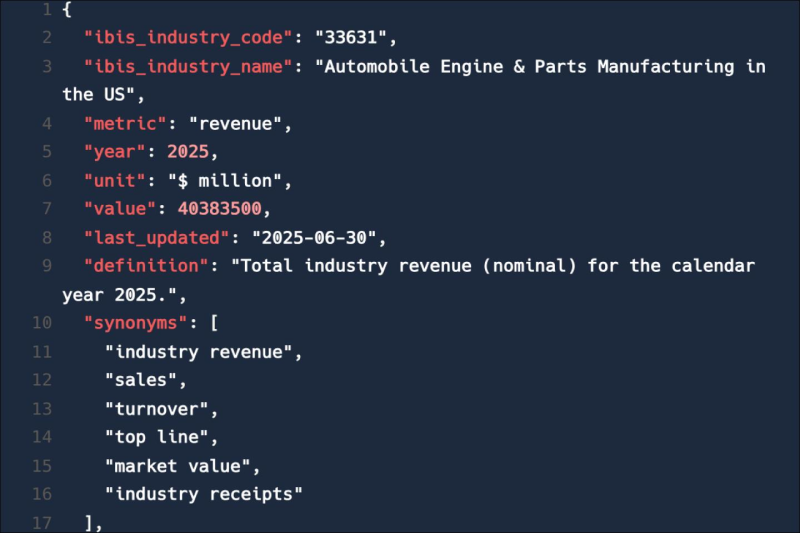
Feed trusted, human-driven industry intelligence straight into your platform.

Streamline your workflow with IBISWorld’s intelligence built into your toolkit.
Explore industries with similar markets, supply chains, and economic drivers to gain broader context and insights.
When the stakes are high, you need intelligence that cuts through the noise—wherever you work.
The yield on 10-year treasury note in the US in 2026 was 4.28%.
The yield on 10-year treasury note in the US grew by 24.31% in 2026.
IBISWorld’s data and analysis on yield on 10-year treasury note in the US includes forecasted growth rates over the next five years.